

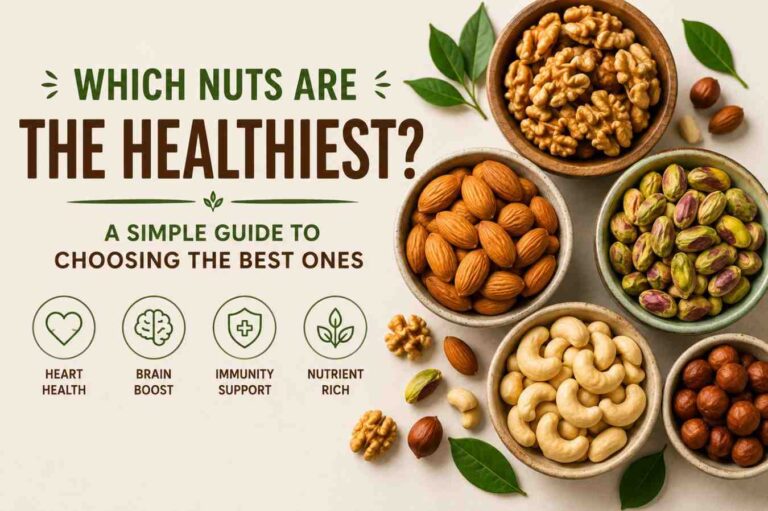
Walk through any supermarket or browse an online grocery store, and you’ll find shelves filled with different kinds of nuts. Almonds, walnuts, pistachios, cashews, hazelnuts, pecans, and peanuts all have something unique to offer. With so many choices, it’s natural to wonder which nuts are actually the healthiest.
The truth is that there isn’t one “perfect” nut. Each variety contains its own combination of nutrients, healthy fats, vitamins, minerals, and plant compounds. Some are known for supporting heart health, while others are valued for their protein, fibre, or antioxidant content. The healthiest choice often depends on your eating habits and nutritional needs rather than one nut being better than the rest.
Instead of looking for a single winner, it’s more helpful to understand what each nut offers. That way, you can enjoy a wider variety while getting the benefits of different nutrients throughout the week. This Healthiest Nuts: Ultimate Guide to Choosing the Best Ones explains how different nuts can support a balanced diet and help you make informed everyday choices.
Nuts may be small, but they provide a surprising amount of nutrition in every handful. Most varieties naturally contain healthy fats, plant protein, dietary fibre, vitamin E, magnesium, and several other nutrients that support everyday health.
Unlike many processed snacks, nuts require very little preparation. They are easy to carry, convenient to store, and work well in both sweet and savoury meals. A handful during the day can be more satisfying than snacks that are high in refined sugar.
Eating different kinds of nuts regularly also introduces variety into your diet, which is one of the simplest ways to enjoy a broader range of nutrients.
Almonds remain one of the world’s most popular nuts, and it’s easy to understand why. They have a mild flavour, a satisfying crunch, and can be enjoyed in many different ways.
One serving provides protein, fibre, healthy fats, vitamin E, and magnesium. Many people enjoy almonds between meals because they are filling and convenient. They also work well in breakfast bowls, baked goods, salads, and homemade trail mixes.
Their versatility makes almonds one of the easiest nuts to include in a balanced diet.
Walnuts stand out because they contain plant-based omega-3 fatty acids, a nutrient that isn’t found in large amounts in most other nuts.
Their slightly earthy flavour pairs well with salads, oatmeal, and desserts. Walnuts also contain antioxidants and healthy fats that make them a valuable addition to everyday meals.
Many people enjoy mixing walnuts with dried fruits for a simple afternoon snack.
Pistachios are colourful, naturally flavourful, and enjoyable to eat.
Compared with many other nuts, pistachios provide a good balance of protein, fibre, potassium, and vitamin B6. Their shells also naturally encourage slower eating, which some people find helpful when enjoying snacks.
Pistachios work well on their own or sprinkled over rice dishes, salads, and yoghurt.
Cashews are recognised for their smooth texture and naturally sweet flavour.
They provide healthy fats along with minerals such as copper, magnesium, zinc, and iron. Cashews are commonly used in stir-fries, curries, desserts, and even dairy-free recipes because they blend into a smooth, creamy consistency.
Whether eaten raw or roasted, cashews are an easy way to add variety to your meals.
Hazelnuts are often associated with desserts, but they are equally enjoyable as an everyday snack.
They contain healthy fats, fibre, vitamin E, and manganese. Their rich flavour makes them popular in homemade granola, baked recipes, and mixed nut blends.
A handful of hazelnuts adds both texture and nutrition without much effort.
Although peanuts are technically legumes, they are nutritionally similar to tree nuts and are commonly included in healthy snack choices.
They provide plant protein, healthy fats, fibre, and several important vitamins and minerals. Their affordability also makes them an accessible option for many households.
Peanuts can be enjoyed roasted, boiled, or blended into natural peanut butter.
Not really. Each nut offers different nutritional strengths.
Rather than choosing only one type, eating a mixture of nuts allows you to benefit from a wider variety of nutrients.
For most healthy adults, about 28–30 grams (a small handful) is generally considered a suitable daily serving.
The exact amount depends on your age, activity level, and overall eating habits. Since nuts are naturally high in calories, moderate portions are usually enough to enjoy their nutritional benefits.
If you prefer salted or flavoured nuts, remember to check the sodium content and enjoy them in moderation.
Good-quality nuts are easy to recognise once you know what to look for.
Choose nuts that:
Proper storage is equally important. After opening, keep nuts in an airtight container and store them in a cool, dry place to help maintain freshness.
When people ask which, nuts are the healthiest, the answer isn’t limited to a single variety. Almonds, walnuts, pistachios, cashews, hazelnuts, and peanuts each contribute something different to a balanced diet. Choosing a variety instead of relying on one type is often the simplest way to enjoy a broader range of nutrients.
Whether you enjoy nuts as a quick snack, add them to breakfast, or use them in everyday cooking, they are an easy and practical addition to a healthy lifestyle. A moderate handful each day, combined with a varied diet and regular physical activity, is a simple habit that can support long-term wellbeing.
1. Which nut is considered the healthiest?
There isn’t one healthiest nut. Almonds, walnuts, pistachios, cashews, hazelnuts, and peanuts all provide different nutrients that contribute to a balanced diet.
2. Is it better to eat mixed nuts?
Yes. Mixed nuts provide a wider variety of vitamins, minerals, healthy fats, and plant compounds than relying on just one type.
3. Can I eat nuts every day?
Most healthy adults can enjoy a small handful of nuts each day as part of a balanced diet.
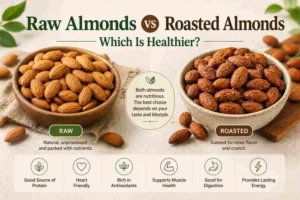
4. Are raw nuts healthier than roasted nuts?
Both can be nutritious. Dry-roasted nuts without excessive salt or added oils remain a good choice for everyday snacking.
5. Which nuts contain the most protein?
Peanuts, almonds, and pistachios are among the higher-protein options commonly enjoyed as snacks.
6. How should nuts be stored?
Store them in an airtight container in a cool, dry place. Refrigeration can help preserve freshness for longer, especially in warm climates.
7. Can nuts replace unhealthy snacks?
Yes. Many people choose nuts instead of highly processed snacks because they provide protein, healthy fats, and fibre that help keep them satisfied.
Primenut utilizes priority shipping to deliver your order within 2-5 working days. All orders are processed within 24 hours of order acceptance (Monday to Saturday, excluding holidays). You will receive a Shipment Confirmation email once your order has shipped containing your tracking number(s).
Primenut has a variable shipping fee depending on the delivery destination and size of the order. To find out exact shipping costs, please add your desired items into the cart and indicate delivery address to your basket. The final shipping fee will be calculated at the checkout.
Orders may be subject to import duties, VAT, taxes and customs clearance charges of the destination country. These additional charges, if any, are the sole responsibility of the customer. Primenut cannot be held accountable for charges incurred during the delivery of your order/package. Delivery delays may occur if your package is selected for inspection by your country’s Customs Department or Agency. In case of any exchange/cancellation queries, kindly go through our Returns & Refunds page. For multiple delivery enquiries, kindly send an email to info@primenut.ae
All products are guaranteed to arrive in perfect condition at the specified shipping address provided. If you are not completely satisfied with the quality of your order upon arrival, please contact info@primenut.ae within 48 hours of order receipt, with a detailed description and photograph(s), for a replacement or exchange claim. Due to the perishable nature of our products, all requests submitted without proper supporting documents will not be eligible for re-shipment. Primenut reserves the right to limit replacements.
Primenut is not responsible for failed deliveries when:
An incorrect or outdated address is provided The recipient is not available An amended/new delivery address is not provided within 24 hours of the first delivery attempt Orders that are returned or diverted due to incorrect addresses, will be subject to additional charges based on the courier in the destination country.
All replacement requests must be made within 48 hours of order receipt, by contacting our customer care team at customercare@bateel.com Once the request has been received and approved, the replacement item(s) will be shipped within 2-5 working days. In case a replacement is not possible, a refund will be issued through the original payment method. Refunds can take from 10 to 30 working days to be reflected in your account. For a replacement or refund to be issued, at least one of the following conditions must apply:
The product has been damaged during delivery The product is defective or out of date The incorrect product was shipped