


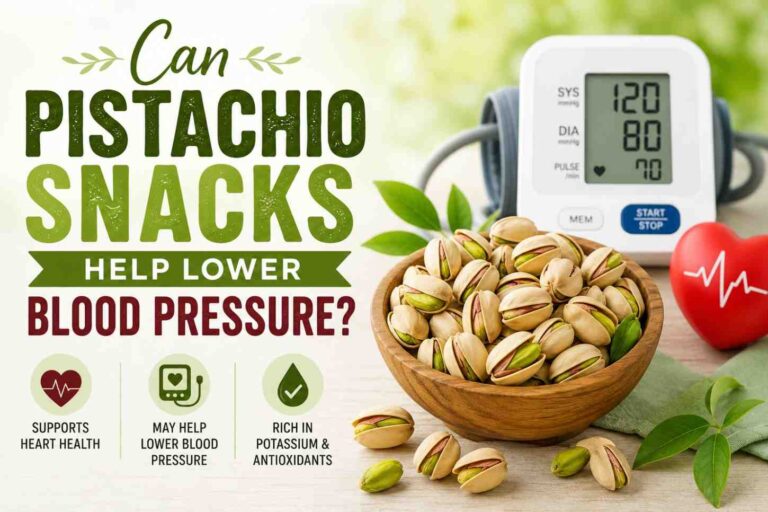
High blood pressure is one of the most common health concerns worldwide. Many people know that regular exercise, maintaining a healthy weight, reducing excess salt, and eating a balanced diet all play an important role in keeping blood pressure within a healthy range. Along with these lifestyle habits, the foods we choose every day can also make a difference.
Among the many healthy snack options available, pistachio snacks have attracted attention because of their unique nutritional profile. They are naturally rich in healthy fats, plant protein, fibre, potassium, magnesium, and antioxidants. These nutrients are well known for supporting overall cardiovascular health and may also contribute to maintaining healthy blood pressure when included as part of a balanced eating pattern.
It is important to understand that no single food can treat or cure high blood pressure. However, choosing nutrient-rich foods such as pistachios instead of highly processed snacks can be a positive step toward better long-term health. This guide explains what current research says, why pistachios are considered heart-friendly, and how they can fit naturally into everyday meals.
Blood pressure measures the force of blood pushing against the walls of your arteries. It naturally changes throughout the day depending on activity, stress, sleep, and many other factors. When blood pressure remains consistently high over time, the heart and blood vessels work harder than they should.
Several lifestyle factors influence blood pressure, including:
Rather than relying on one particular food, healthcare professionals recommend following an overall heart-healthy eating pattern filled with fruits, vegetables, whole grains, legumes, nuts, and seeds.
Pistachios contain a combination of nutrients that makes them stand out among everyday snacks.
A serving of pistachios provides:
These nutrients work together to support normal body functions and contribute to an overall healthy diet.
Unlike many packaged snack foods that are high in refined carbohydrates or saturated fats, pistachios offer a satisfying combination of protein, fibre, and healthy fats that can help people feel full for longer.
Researchers have studied pistachios as part of healthy dietary patterns for many years. Some clinical studies suggest that including pistachios in a balanced diet may help support healthy blood pressure, particularly when they replace less nutritious snack choices.
Scientists believe several factors may explain these findings.
Pistachios naturally contain potassium, which helps balance sodium levels in the body. They also provide magnesium, a mineral involved in normal muscle and nerve function, including the muscles that help regulate blood vessel function.
In addition, the unsaturated fats found in pistachios may support overall cardiovascular health when they replace foods that are higher in saturated fat.
Although these findings are encouraging, research continues to evolve. Pistachios should be viewed as one part of an overall healthy lifestyle rather than a stand-alone solution for managing blood pressure.
Potassium plays an important role in maintaining normal fluid balance and supporting healthy blood pressure.
Many people consume more sodium than recommended while falling short of potassium-rich foods. Including foods that naturally provide potassium may help improve the balance between these two minerals.
Pistachios contribute potassium alongside many other beneficial nutrients, making them a practical addition to balanced meals and snacks.
Not all fats affect the body in the same way.
Pistachios contain mostly monounsaturated and polyunsaturated fats, which are considered healthier fat choices than saturated fats found in many processed snack foods.
Replacing snacks high in saturated fat with nuts such as pistachios may support overall heart health as part of a balanced dietary pattern.
Fibre is well known for supporting digestive health, but its benefits extend beyond digestion.
Foods rich in fibre are often more satisfying and may help reduce unnecessary snacking between meals.
Since pistachios naturally contain fibre along with protein and healthy fats, they provide a combination that keeps snacks both nutritious and satisfying.
Protein contributes to muscle maintenance while also helping meals feel more filling.
Pistachios provide plant-based protein that fits easily into breakfast bowls, salads, homemade trail mixes, or simple afternoon snacks.
Choosing snacks that contain protein instead of refined carbohydrates may support more balanced eating habits throughout the day.
Healthy blood vessels expand and contract to help regulate blood flow throughout the body. Certain nutrients found naturally in pistachios, including potassium, magnesium, and unsaturated fats, play a role in supporting normal blood vessel function.
Some research suggests that regularly eating nuts as part of an overall healthy eating pattern may contribute to better cardiovascular health. While pistachios alone are not a treatment for high blood pressure, they can be one of many nutritious foods included in a heart-conscious diet.
The greatest benefits come from combining healthy food choices with regular physical activity, adequate sleep, and following medical advice when needed.
Many packaged snacks contain high amounts of sodium, refined carbohydrates, added sugars, or unhealthy fats. Replacing some of these foods with nutrient-rich options can improve the overall quality of your diet.
Pistachio snacks offer several nutritional advantages:
Choosing unsalted or lightly salted pistachios is often a better option for people who are monitoring their sodium intake.
One reason pistachios remain popular is their versatility. They can be enjoyed in many different ways without requiring complicated preparation.
Some simple ideas include:
Rotating pistachios with almonds, walnuts, and cashews throughout the week also helps increase dietary variety.
Pistachios can be a nutritious addition to many eating patterns.
They may be suitable for:
People with a tree nut allergy should avoid pistachios and seek medical advice before consuming nut products.
Pistachio snacks offer much more than their distinctive flavour and satisfying crunch. They naturally provide protein, fibre, healthy unsaturated fats, potassium, magnesium, and antioxidants, making them a nutritious addition to a balanced eating pattern. While no single food can prevent or treat high blood pressure, research suggests that nuts, including pistachios, may support heart health when they replace less nutritious snack options.
If you’re looking for a simple way to improve your everyday food choices, pistachio snacks are an excellent option. Enjoyed in moderate portions alongside fruits, vegetables, whole grains, lean proteins, and regular physical activity, they can contribute to an overall heart-friendly lifestyle. The goal is not to rely on one “superfood,” but to build consistent eating habits that support long-term health and wellbeing.
1. Can pistachios lower blood pressure?
Pistachios alone cannot lower blood pressure. However, when eaten as part of a balanced, heart-healthy diet, they may help support healthy blood pressure because they provide nutrients such as potassium, magnesium, fibre, and healthy fats.
2. Are pistachios good for heart health?
Yes. Pistachios contain unsaturated fats, plant protein, fibre, antioxidants, and important minerals that support overall cardiovascular health as part of a healthy lifestyle.
3. How many pistachios should I eat each day?
For most healthy adults, a small handful (about 28–30 grams) is generally considered a suitable daily serving.
4. Are salted or unsalted pistachios better?
Unsalted or lightly salted pistachios are usually the better choice, particularly for people who want to reduce their sodium intake.
5. Can pistachios be eaten every day?
Yes. Most healthy adults can enjoy pistachios daily as part of a varied and balanced diet, provided portion sizes remain moderate.
6. What nutrients do pistachios provide?
Pistachios naturally contain protein, fibre, healthy fats, potassium, magnesium, vitamin B6, copper, and antioxidants.
7. Can pistachios replace unhealthy snacks?
Yes. Replacing highly processed snacks with nutrient-rich foods like pistachios can improve the overall quality of your diet.
All products are guaranteed to arrive in perfect condition at the specified shipping address provided. If you are not completely satisfied with the quality of your order upon arrival, please contact info@primenut.ae within 48 hours of order receipt, with a detailed description and photograph(s), for a replacement or exchange claim. Due to the perishable nature of our products, all requests submitted without proper supporting documents will not be eligible for re-shipment. Primenut reserves the right to limit replacements.
Primenut is not responsible for failed deliveries when:
An incorrect or outdated address is provided The recipient is not available An amended/new delivery address is not provided within 24 hours of the first delivery attempt Orders that are returned or diverted due to incorrect addresses, will be subject to additional charges based on the courier in the destination country.
All replacement requests must be made within 48 hours of order receipt, by contacting our customer care team at customercare@bateel.com Once the request has been received and approved, the replacement item(s) will be shipped within 2-5 working days. In case a replacement is not possible, a refund will be issued through the original payment method. Refunds can take from 10 to 30 working days to be reflected in your account. For a replacement or refund to be issued, at least one of the following conditions must apply:
The product has been damaged during delivery The product is defective or out of date The incorrect product was shipped
Primenut utilizes priority shipping to deliver your order within 2-5 working days. All orders are processed within 24 hours of order acceptance (Monday to Saturday, excluding holidays). You will receive a Shipment Confirmation email once your order has shipped containing your tracking number(s).
Primenut has a variable shipping fee depending on the delivery destination and size of the order. To find out exact shipping costs, please add your desired items into the cart and indicate delivery address to your basket. The final shipping fee will be calculated at the checkout.
Orders may be subject to import duties, VAT, taxes and customs clearance charges of the destination country. These additional charges, if any, are the sole responsibility of the customer. Primenut cannot be held accountable for charges incurred during the delivery of your order/package. Delivery delays may occur if your package is selected for inspection by your country’s Customs Department or Agency. In case of any exchange/cancellation queries, kindly go through our Returns & Refunds page. For multiple delivery enquiries, kindly send an email to info@primenut.ae