


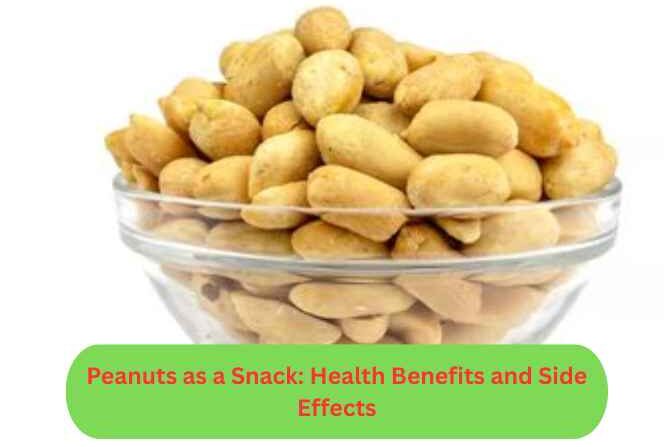
Peanuts are one of those foods that show up everywhere without much attention. A small bowl on a table, a quick snack during travel, something to munch on between meals. They’re easy to find, easy to eat, and usually affordable. But behind that simplicity, peanuts carry a mix of nutritional value and a few concerns that often get overlooked.
For people trying to make better snack choices, peanuts sit somewhere in the middle. They’re not exactly “light”, but they’re not empty calories either. Understanding how they affect the body helps in deciding how often and how much to eat.
Peanuts have remained a popular snack for a reason. They don’t spoil quickly, they don’t need preparation, and they fit into almost any routine. In many households, they’re roasted at home or bought in small packets for convenience.
Another reason is satiety. A handful of peanuts can make you feel full faster than chips or biscuits. That alone makes them appealing for people trying to avoid constant snacking.
They also work in different forms—raw, roasted, salted, or mixed into dishes. That flexibility keeps them relevant across different eating habits.
Peanuts are often grouped with nuts, but technically they’re legumes. Even so, their nutritional profile is closer to nuts.
They contain:
This combination makes peanuts more than just a filler snack. They contribute to daily nutrient intake in a noticeable way, especially for people who rely on plant-based foods..
Peanuts are often used as a protein option, especially in vegetarian diets. While they don’t replace all protein sources, they help bridge the gap.
Eating peanuts between meals can reduce the urge to reach for less nutritious snacks. That’s partly because protein takes longer to digest, keeping hunger in check for a longer time.
Peanuts contain unsaturated fats, which are generally considered better for heart health than saturated fats. These fats can help maintain balanced cholesterol levels when consumed in moderation.
This doesn’t mean peanuts should be eaten in large amounts, but replacing heavily processed snacks with peanuts can be a small step toward better choices, as it encourages healthier snacking habits and provides essential nutrients.
Because peanuts are calorie-dense, they provide a quick source of energy. This makes them useful for people with physically demanding routines or long gaps between meals.
Unlike sugary snacks that cause quick spikes and drops, peanuts release energy more gradually. That can help avoid sudden hunger crashes.
At first glance, peanuts don’t seem like a weight-friendly snack because of their calorie content. But portion size changes that perspective.
A small serving can:
The key here is control. Eating directly from a large packet often leads to consuming more than intended.
Peanuts include compounds that act as antioxidants. These help the body deal with everyday stress at a cellular level.
While peanuts aren’t the only source of antioxidants, they add to the overall intake when included regularly in a balanced diet.
Peanuts are not problem-free. For some people, they can cause noticeable issues, ranging from mild discomfort to serious reactions.
This is one of the most well-known concerns. Peanut allergies can trigger reactions that vary from mild itching to severe symptoms.
Even small amounts can cause problems for those affected. That’s why food labels often highlight the presence of peanuts.
Peanuts are energy-dense, which is both a benefit and a drawback.
Eating large quantities regularly can:
This process usually happens without noticing, especially when peanuts are eaten while distracted.
Some people experience bloating or heaviness after eating peanuts. The severity can depend on:
Roasted or salted peanuts may feel heavier compared to soaked or lightly cooked ones.
Salted peanuts are easy to overeat. The combination of salt and crunch makes them difficult to stop at a small portion.
High sodium intake over time may affect blood pressure levels, especially if other salty foods are also part of the diet.
Peanuts can sometimes be exposed to mould during storage, especially under humid conditions. Poor storage increases the risk of contamination.
Buying from reliable sources and storing peanuts in dry, airtight containers helps reduce this risk.
Peanuts sit in an intriguing place as a snack. They’re simple, widely available, and nutritionally useful, but they can also become tempting to overconsume. The benefits are real protein, healthy fats, and energy—but so are the downsides if portion sizes are ignored.
Instead of labelling peanuts strictly “good” or “bad”, it makes more sense to look at how they fit into everyday eating habits. A small amount can work well as part of a balanced routine. Larger amounts, especially in salted or processed forms, can slowly tip things in the wrong direction by contributing to excessive sodium intake and unhealthy dietary patterns.
Like many foods, peanuts are less about strict rules and more about how they’re used over time, meaning that moderation and mindful consumption are key to enjoying their health benefits without negative effects.
1. Are peanuts a healthy snack?
Yes, peanuts can be a healthy snack when eaten in small portions due to their protein and healthy fats.
2. Can eating peanuts daily cause weight gain?
Yes, overeating peanuts regularly may lead to weight gain because they are high in calories.
3. What are the side effects of peanuts?
Peanuts may cause allergies, digestive discomfort, or issues from high sodium if consumed in excess.
4. Are roasted peanuts better than raw peanuts?
Roasted peanuts taste better, but raw or dry-roasted options are usually healthier since they have fewer added ingredients and retain more natural nutrients.
5. How many peanuts should I eat per day?
A small handful per day is generally enough to obtain benefits without overconsumption.
All products are guaranteed to arrive in perfect condition at the specified shipping address provided. If you are not completely satisfied with the quality of your order upon arrival, please contact info@primenut.ae within 48 hours of order receipt, with a detailed description and photograph(s), for a replacement or exchange claim. Due to the perishable nature of our products, all requests submitted without proper supporting documents will not be eligible for re-shipment. Primenut reserves the right to limit replacements.
Primenut is not responsible for failed deliveries when:
An incorrect or outdated address is provided The recipient is not available An amended/new delivery address is not provided within 24 hours of the first delivery attempt Orders that are returned or diverted due to incorrect addresses, will be subject to additional charges based on the courier in the destination country.
All replacement requests must be made within 48 hours of order receipt, by contacting our customer care team at customercare@bateel.com Once the request has been received and approved, the replacement item(s) will be shipped within 2-5 working days. In case a replacement is not possible, a refund will be issued through the original payment method. Refunds can take from 10 to 30 working days to be reflected in your account. For a replacement or refund to be issued, at least one of the following conditions must apply:
The product has been damaged during delivery The product is defective or out of date The incorrect product was shipped
Primenut utilizes priority shipping to deliver your order within 2-5 working days. All orders are processed within 24 hours of order acceptance (Monday to Saturday, excluding holidays). You will receive a Shipment Confirmation email once your order has shipped containing your tracking number(s).
Primenut has a variable shipping fee depending on the delivery destination and size of the order. To find out exact shipping costs, please add your desired items into the cart and indicate delivery address to your basket. The final shipping fee will be calculated at the checkout.
Orders may be subject to import duties, VAT, taxes and customs clearance charges of the destination country. These additional charges, if any, are the sole responsibility of the customer. Primenut cannot be held accountable for charges incurred during the delivery of your order/package. Delivery delays may occur if your package is selected for inspection by your country’s Customs Department or Agency. In case of any exchange/cancellation queries, kindly go through our Returns & Refunds page. For multiple delivery enquiries, kindly send an email to info@primenut.ae