


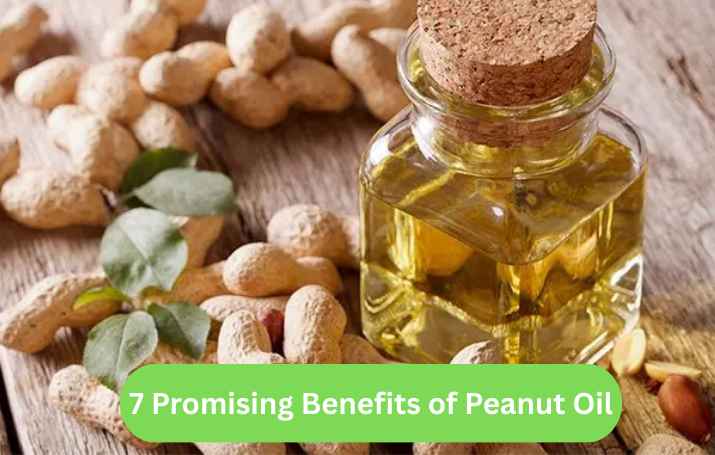
Many places use peanut oil in their cooking, especially Asian and traditional foods. Many people still use it for regular cooking, frying, and sautéing because it has a mild flavour and a high smoke point. Besides being useful in cooking, peanut oil is also good for you in small amounts. But like other cooking oils, its value depends on how it’s used and what the person eats. This piece looks at seven good things about peanut oil, made from peanuts that will help you see why it’s still a common kitchen ingredient.
There are different kinds of peanut oil, such as refined, cold-pressed, and roasted. Usually, refined peanut oil is used for cooking at high temperatures, while cold-pressed varieties keep more of the natural nutrients. A mix of monounsaturated and polyunsaturated fats is in it, along with some saturated fat.
The high amount of polyunsaturated fat in peanut oil is one of its best qualities. It is known that eating these healthy fats instead of heavy fats can help keep cholesterol levels in check. Eating a small amount of peanut oil may be good for your heart because it lowers bad LDL cholesterol and raises good HDL cholesterol.
Because it has a high smoke point, peanut oil can be used for both cooking and stir-frying. Harmful chemicals can be made when oils burn quickly, but peanut oil stays stable at higher temperatures. It keeps tastes fresh and lowers the chance of oxidation while cooking because it is stable.
Antioxidants, like vitamin E, are found in peanut oil and help protect cells from toxic stress. Antioxidants are critical for health because they lower the damage that free radicals do. The amount that is kept in cold-pressed peanut oil is higher, but it depends on how it was processed.
Peanut oil does not affect blood sugar levels since it contains no carbohydrates. When included in well-balanced meals, it can help prevent sudden rises in blood glucose. This makes it a sensible cooking option for those aiming to maintain steady energy and mindful eating habits.
Vitamins A, D, E, and K need dietary fat to be absorbed properly by the body. Preparing vegetables with peanut oil can support better uptake of these nutrients. While this applies to many healthy oils, peanut oil’s heat stability makes it convenient for regular cooking.
Peanut oil does not contain trans fats by nature, unlike some partially hydrogenated cooking fats. Using oils free from trans fats promotes healthier long-term eating habits because trans fats contribute to poor heart health. It is still wise to read labels carefully, especially when buying blended or processed oils.
The mild taste of peanut oil allows the natural flavour of foods to stand out. It works well with vegetables, grains, meats, and legumes without overpowering the dish. This versatility makes it easy to include in different cooking styles and cuisines.
While peanut oil offers several benefits, it is still calorie-dense. Excessive use may contribute to weight gain if portion sizes are not controlled. It is best used in moderation and rotated with other healthy oils such as olive oil or sesame oil for a balanced fat intake.
Refined peanut oil may not trigger allergies in all individuals, but caution is strongly recommended.
1. Is peanut oil healthy for daily cooking?
Yes, peanut oil can be used for daily cooking in moderate amounts as part of a balanced diet.
2. Does peanut oil increase cholesterol?
When used instead of saturated fats, peanut oil may help support healthy cholesterol levels.
3. Is peanut oil good for frying?
Yes, its high smoke point makes it suitable for frying and high-heat cooking.
4. Can people with diabetes use peanut oil?
Yes, peanut oil does not affect blood sugar levels directly when used in moderation.
5. Is cold-pressed peanut oil better than refined?
Cold-pressed peanut oil generally retains more nutrients, while refined oil is better for high-heat cooking.
Peanut oil, made from peanuts, is easy to use and fits well into everyday cooking, which is why many households prefer it. It contains healthy fats found naturally in peanuts, handles high cooking temperatures well, and works for a wide range of cooking methods. While peanut oil can be part of a balanced diet, it is high in calories, so mindful use is important. Understanding the benefits and limits of peanut-based oils helps you make smarter cooking choices without overcomplicating your food habits.
All products are guaranteed to arrive in perfect condition at the specified shipping address provided. If you are not completely satisfied with the quality of your order upon arrival, please contact info@primenut.ae within 48 hours of order receipt, with a detailed description and photograph(s), for a replacement or exchange claim. Due to the perishable nature of our products, all requests submitted without proper supporting documents will not be eligible for re-shipment. Primenut reserves the right to limit replacements.
Primenut is not responsible for failed deliveries when:
An incorrect or outdated address is provided The recipient is not available An amended/new delivery address is not provided within 24 hours of the first delivery attempt Orders that are returned or diverted due to incorrect addresses, will be subject to additional charges based on the courier in the destination country.
All replacement requests must be made within 48 hours of order receipt, by contacting our customer care team at customercare@bateel.com Once the request has been received and approved, the replacement item(s) will be shipped within 2-5 working days. In case a replacement is not possible, a refund will be issued through the original payment method. Refunds can take from 10 to 30 working days to be reflected in your account. For a replacement or refund to be issued, at least one of the following conditions must apply:
The product has been damaged during delivery The product is defective or out of date The incorrect product was shipped
Primenut utilizes priority shipping to deliver your order within 2-5 working days. All orders are processed within 24 hours of order acceptance (Monday to Saturday, excluding holidays). You will receive a Shipment Confirmation email once your order has shipped containing your tracking number(s).
Primenut has a variable shipping fee depending on the delivery destination and size of the order. To find out exact shipping costs, please add your desired items into the cart and indicate delivery address to your basket. The final shipping fee will be calculated at the checkout.
Orders may be subject to import duties, VAT, taxes and customs clearance charges of the destination country. These additional charges, if any, are the sole responsibility of the customer. Primenut cannot be held accountable for charges incurred during the delivery of your order/package. Delivery delays may occur if your package is selected for inspection by your country’s Customs Department or Agency. In case of any exchange/cancellation queries, kindly go through our Returns & Refunds page. For multiple delivery enquiries, kindly send an email to info@primenut.ae