


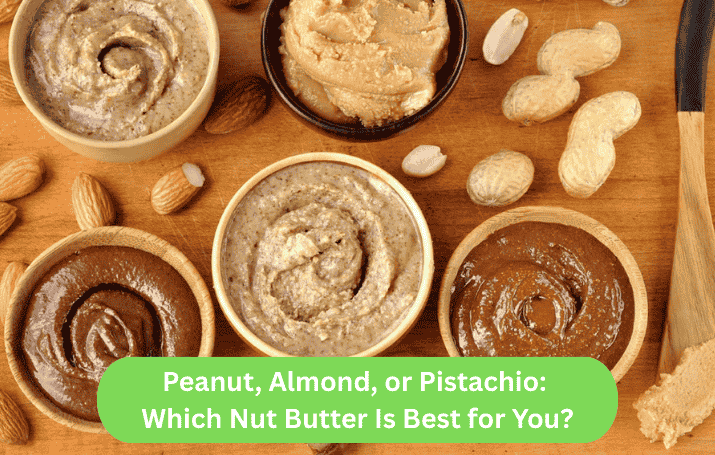
Nut butters have become a favourite choice for many health-conscious individuals seeking a convenient, protein-rich, and nutrient-dense spread. Among the most popular varieties are peanut butter, almond butter, and pistachio butter. Each has a unique flavour, nutritional profile, and health benefits. Choosing the best one depends on your dietary goals, taste preferences, and overall health needs. This article explained the key differences and benefits of these nut butter, helping you make an informed choice.
Nut butters are rich sources of healthy fats, proteins, fibres, and essential vitamins and minerals. Here’s a general overview per 2-tablespoon (32g) serving:
While all three provide essential nutrients, each has unique benefits that may suit different dietary preferences or health goals.
Peanut butter is one of the most widely consumed nut butters due to its rich taste, affordability, and protein content. Key benefits include:
Almond butter has gained popularity due to its mild flavour and nutritional profile, which includes vitamins, minerals, and healthy fats:
Pistachio butter is less common but offers a distinctive taste and health benefits:
Selecting the best nut butter depends on several factors:
Peanut, almond, and pistachio butters each add unique flavours, nutritional benefits, and versatility to your diet. Peanut butter is protein-rich and budget-friendly, almond butter is nutrient-dense and supports skin and bone health, and pistachio butter is antioxidant-packed with a distinctive taste. The best choice depends on your dietary goals, taste preferences, and nutritional needs. Incorporating various nut butters can provide a balanced spectrum of nutrients while keeping meals enjoyable and satisfying.
1. Can nut butters help with weight management?
Yes, the healthy fats, protein, and fibre in nut butters promote fullness and may reduce overeating when consumed in moderation.
2. Are nut butters safe for children?
Yes, smooth and unsweetened nut butters are safe for children. Ensure proper texture to prevent choking and avoid added sugar.
3. How can I avoid added sugars or oils in nut butters?
Look for labels that say “100% nuts” or make homemade nut butter for complete control over ingredients.
4. Can nut butters be used in cooking and baking?
Absolutely. They can enhance flavour, add creaminess, and boost nutritional values in smoothies, sauces, dressings, and baked goods.
5. Are nut butters allergenic?
Yes, nuts are common allergens. Individuals with nut allergies should avoid all nut butters and consider alternatives like sunflower seed or soy-based spreads.
All products are guaranteed to arrive in perfect condition at the specified shipping address provided. If you are not completely satisfied with the quality of your order upon arrival, please contact info@primenut.ae within 48 hours of order receipt, with a detailed description and photograph(s), for a replacement or exchange claim. Due to the perishable nature of our products, all requests submitted without proper supporting documents will not be eligible for re-shipment. Primenut reserves the right to limit replacements.
Primenut is not responsible for failed deliveries when:
An incorrect or outdated address is provided The recipient is not available An amended/new delivery address is not provided within 24 hours of the first delivery attempt Orders that are returned or diverted due to incorrect addresses, will be subject to additional charges based on the courier in the destination country.
All replacement requests must be made within 48 hours of order receipt, by contacting our customer care team at customercare@bateel.com Once the request has been received and approved, the replacement item(s) will be shipped within 2-5 working days. In case a replacement is not possible, a refund will be issued through the original payment method. Refunds can take from 10 to 30 working days to be reflected in your account. For a replacement or refund to be issued, at least one of the following conditions must apply:
The product has been damaged during delivery The product is defective or out of date The incorrect product was shipped
Primenut utilizes priority shipping to deliver your order within 2-5 working days. All orders are processed within 24 hours of order acceptance (Monday to Saturday, excluding holidays). You will receive a Shipment Confirmation email once your order has shipped containing your tracking number(s).
Primenut has a variable shipping fee depending on the delivery destination and size of the order. To find out exact shipping costs, please add your desired items into the cart and indicate delivery address to your basket. The final shipping fee will be calculated at the checkout.
Orders may be subject to import duties, VAT, taxes and customs clearance charges of the destination country. These additional charges, if any, are the sole responsibility of the customer. Primenut cannot be held accountable for charges incurred during the delivery of your order/package. Delivery delays may occur if your package is selected for inspection by your country’s Customs Department or Agency. In case of any exchange/cancellation queries, kindly go through our Returns & Refunds page. For multiple delivery enquiries, kindly send an email to info@primenut.ae