
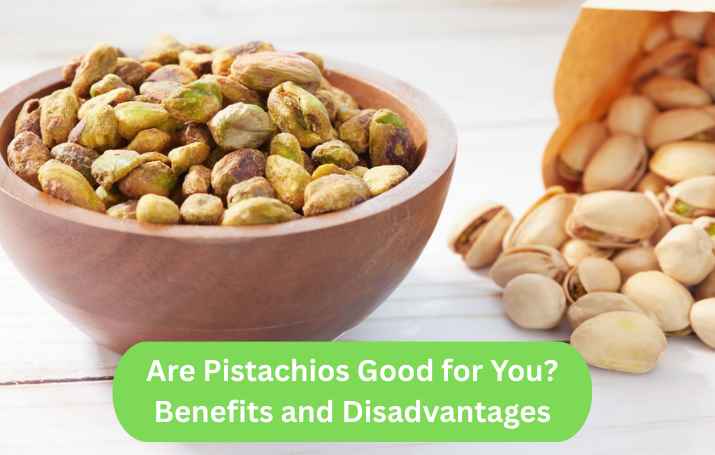
Pistachios are a popular choice for many people, valued for their gentle sweetness, crunchy texture, and natural green colour. Beyond flavour, they are often included in daily meals for their possible health benefits. However, like any food, pistachios have both advantages and limitations. Understanding their nutritional value, how they support the body, and where moderation is needed can help you make better choices. This article takes a simple and balanced look at pistachios, explaining are pistachios good for you, their benefits, and possible disadvantages, so you can decide how to include them wisely in your everyday diet.
Pistachios are nutrient-dense nuts that provide a combination of macronutrients and micronutrients. A small serving delivers protein, dietary fibre, healthy fats, and essential vitamins and minerals. They are particularly rich in vitamin B6, potassium, phosphorus, and antioxidants such as lutein and zeaxanthin.
Pistachios have fewer calories per dose than many other nuts. This helps to make them a popular choice for healthy snacking as long as they are eaten in moderation.
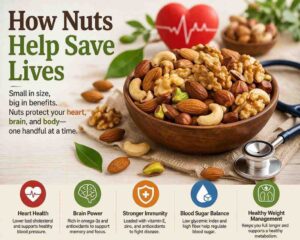
People think that the healthy fats in pistachios are good for the heart. In small amounts as part of a healthy diet, they may help keep cholesterol levels in a healthy range by dropping bad cholesterol and raising good cholesterol. Pistachios also have potassium in them, which helps keep blood pressure normal.
Pistachios have a lot of calories, but they can still be part of a diet that is trying to lose weight as long as the amounts are kept in check. Protein, fibre, and good fats all work together to make you feel full for longer, which may help you avoid eating too much. Eating peanuts in their shells can also help you eat more slowly, which can help you snack more mindfully.
There is natural fibre in pistachios that helps intestines work well. Fibre helps keep your gut healthy by keeping the balance of good bacteria in check. This is important for your general digestive comfort.
Pistachios don’t make your blood sugar rise quickly like a lot of processed foods do. Fibre, protein, and healthy fats all work together to slow digestion and keep blood sugar from rising quickly. Because of this, they are a good snack for people who want to keep their blood sugar levels steady.
Antioxidants like lutein and zeaxanthin are found in pistachios and are known to be good for your eyes. When eaten as part of a healthy diet, these nutrients help protect the eyes from damage and wear that come with daily life. They may also help maintain healthy vision over time.
Pistachios are a good source of plant-based energy for people who are vegetarian or trying to eat more plants. Protein is needed to rebuild muscles, keep the immune system healthy, and keep the body in general good shape.
Pistachios are among the nuts with the highest antioxidant content. Antioxidants help combat oxidative stress in the body, which is associated with ageing and various chronic conditions.
While pistachios are nutritious, they are still calorie-dense. Eating large quantities regularly may lead to excess calorie intake, which can contribute to weight gain over time.
Salted or flavoured pistachios may contain high sodium levels. Excess sodium intake can affect blood pressure and heart health, especially for individuals sensitive to salt.
Many people are allergic to tree nuts, including pistachios. From mild itching to serious allergic reactions that need to be avoided at all costs, symptoms can range.
Eating too many pistachios at once may cause bloating or digestive discomfort due to their fibre and fat contents, especially for those with sensitive digestion.
Flavouring pistachios with added oils, artificial seasonings, or sweet coatings may reduce their overall nutritional value and increase unhealthy additives.
1. Are pistachios healthy for daily consumption?
Yes, pistachios can be eaten daily in moderate portions as part of a balanced diet.
2. Do pistachios help with heart health?
They contain healthy fats and potassium that support heart-friendly nutrition.
3. Are pistachios good for weight loss?
They may help with appetite control when eaten in controlled amounts.
4. Can people with diabetes eat pistachios?
Pistachios have a low glycaemic impact and may help support blood sugar balance.
5. Are salted pistachios unhealthy?
Salted pistachios are fine occasionally, but excess sodium intake should be avoided.
Pistachios are a nourishing and flexible nut that provide several health benefits, such as supporting heart health, aiding digestion, and offering natural antioxidant protection. Their mix of protein, fibre, and healthy fats makes them a satisfying snack when eaten in sensible amounts. However, as with other nuts, overeating pistachios can lead to excess calorie or salt intake.
Choosing lightly processed options and paying attention to portion size allows pistachios to be enjoyed as a wholesome and tasty part of a balanced diet.
Primenut utilizes priority shipping to deliver your order within 2-5 working days. All orders are processed within 24 hours of order acceptance (Monday to Saturday, excluding holidays). You will receive a Shipment Confirmation email once your order has shipped containing your tracking number(s).
Primenut has a variable shipping fee depending on the delivery destination and size of the order. To find out exact shipping costs, please add your desired items into the cart and indicate delivery address to your basket. The final shipping fee will be calculated at the checkout.
Orders may be subject to import duties, VAT, taxes and customs clearance charges of the destination country. These additional charges, if any, are the sole responsibility of the customer. Primenut cannot be held accountable for charges incurred during the delivery of your order/package. Delivery delays may occur if your package is selected for inspection by your country’s Customs Department or Agency. In case of any exchange/cancellation queries, kindly go through our Returns & Refunds page. For multiple delivery enquiries, kindly send an email to info@primenut.ae
All products are guaranteed to arrive in perfect condition at the specified shipping address provided. If you are not completely satisfied with the quality of your order upon arrival, please contact info@primenut.ae within 48 hours of order receipt, with a detailed description and photograph(s), for a replacement or exchange claim. Due to the perishable nature of our products, all requests submitted without proper supporting documents will not be eligible for re-shipment. Primenut reserves the right to limit replacements.
Primenut is not responsible for failed deliveries when:
An incorrect or outdated address is provided The recipient is not available An amended/new delivery address is not provided within 24 hours of the first delivery attempt Orders that are returned or diverted due to incorrect addresses, will be subject to additional charges based on the courier in the destination country.
All replacement requests must be made within 48 hours of order receipt, by contacting our customer care team at customercare@bateel.com Once the request has been received and approved, the replacement item(s) will be shipped within 2-5 working days. In case a replacement is not possible, a refund will be issued through the original payment method. Refunds can take from 10 to 30 working days to be reflected in your account. For a replacement or refund to be issued, at least one of the following conditions must apply:
The product has been damaged during delivery The product is defective or out of date The incorrect product was shipped