


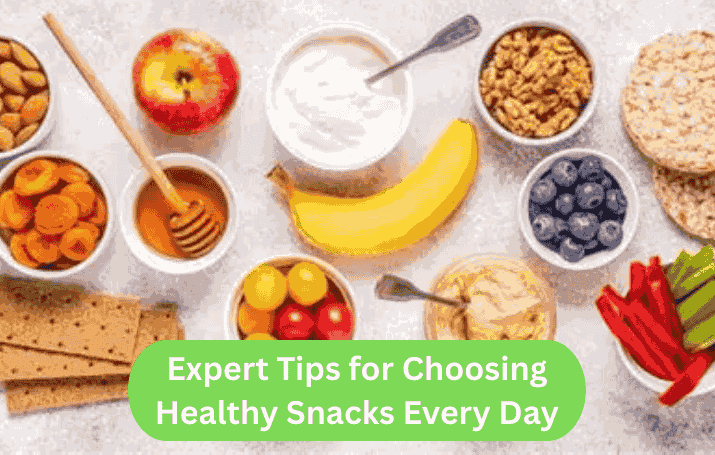
Healthy snacking is now an important part of everyday nutrition, especially for people with busy lifestyles. In fast-moving daily routines, snacks help bridge the gap between meals and keep energy levels steady throughout the day. However, not every snack is a healthy choice. Making the right selections depends on awareness, balance, and regular habits rather than strict food rules.
By following expert-recommended principles, healthy snacking can become a simple and sustainable habit that supports energy, focus, and overall well-being.
Snacks play a bigger role in daily nutrition than most people realise. Unhealthy snack choices can increase sugar intake, cause energy drops, and add extra calories. In contrast, healthy snacks provide steady energy, support digestion, and help control hunger between meals.
In regions like the UAE, where workdays can be long and meal timings irregular, healthy snacks play an important role in maintaining balanced eating habits.
Begin with foods that are as close to natural as possible. Fresh fruits like berries provide antioxidants, while vegetables such as carrot sticks add crunch with very few calories. Whole grains like oats help supply steady, lasting energy.
Try to avoid snacks with a very long shelf life, as this often means added preservatives. Studies indicate a correlation between diets high in whole foods and reduced levels of inflammation.
Combine food groups for completeness. Pair the cheese with apple slices for protein and fibre. Greek yoghurt with chia seeds mixes probiotics and omega-3s. Hummus with celery hits fats, protein, and crunch.
This balance prevents nutrient gaps. Research indicates mixed snacks improve micronutrient intake over single-category choices.
Easy Balanced Snack Ideas
Even healthy snacks add up. Use your hand as a guide: a palmful of nuts equals one serving. Pre-portion to sidestep mindless eating.
Read labels for hidden sugars under names like maltose. Choose options with short ingredient lists—ideally recognisable foods. Low-sodium picks under 140mg per serving protect blood pressure.
Snack every 3-4 hours to maintain metabolism. Mid-morning snacks avoid lunch overeating; afternoon picks fight the slump. Listen to true hunger, not boredom.
Hydrate first—thirst mimics appetite. Evidence from metabolic studies supports timed eating for steady energy.
Variety prevents boredom. Try roasted chickpeas for spice or kale chips for greens. Seasonal fruits keep things fresh.
Incorporate global twists like edamame or tamari almonds. Rotating options ensures broad nutrient coverage, reducing deficiency risks.
Be careful of snacks labelled as “healthy,” such as granola bars that may contain added syrups and sugars. Fruit juices, even when natural, often lack fibre. Relying too much on one snack type, like only nuts, can also limit nutritional variety.
Preparing snacks ahead of time helps you stay consistent. Paying attention to how different snacks affect your energy can also help you make better, more personalised choices.
Recognising these patterns helps improve snack choices over time.
1. How often should healthy snacks be eaten?
Most people benefit from one or two snacks between meals, depending on activity level and hunger.
2. Are nuts and seeds good for daily snacking?
Yes, when eaten in controlled portions, nuts and seeds provide healthy fats, fibre, and essential nutrients.
3. Can healthy snacks help with weight management?
Yes, nutrient-dense snacks can help control hunger and reduce overeating during main meals.
4. Should snacks replace meals?
No, snacks are meant to complement meals and maintain energy between them.
Choosing healthy snacks every day does not require strict dieting or complicated planning. By focusing on nutrient-dense foods, controlling portions, reading labels carefully, and aligning snack choices with daily routines, healthy snacking becomes simple and sustainable. Expert guidance consistently highlights balance, moderation, and awareness as the foundation of better snack habits. When chosen thoughtfully, healthy snacks support energy, focus, and overall nutrition as part of a well-rounded daily lifestyle.
All products are guaranteed to arrive in perfect condition at the specified shipping address provided. If you are not completely satisfied with the quality of your order upon arrival, please contact info@primenut.ae within 48 hours of order receipt, with a detailed description and photograph(s), for a replacement or exchange claim. Due to the perishable nature of our products, all requests submitted without proper supporting documents will not be eligible for re-shipment. Primenut reserves the right to limit replacements.
Primenut is not responsible for failed deliveries when:
An incorrect or outdated address is provided The recipient is not available An amended/new delivery address is not provided within 24 hours of the first delivery attempt Orders that are returned or diverted due to incorrect addresses, will be subject to additional charges based on the courier in the destination country.
All replacement requests must be made within 48 hours of order receipt, by contacting our customer care team at customercare@bateel.com Once the request has been received and approved, the replacement item(s) will be shipped within 2-5 working days. In case a replacement is not possible, a refund will be issued through the original payment method. Refunds can take from 10 to 30 working days to be reflected in your account. For a replacement or refund to be issued, at least one of the following conditions must apply:
The product has been damaged during delivery The product is defective or out of date The incorrect product was shipped
Primenut utilizes priority shipping to deliver your order within 2-5 working days. All orders are processed within 24 hours of order acceptance (Monday to Saturday, excluding holidays). You will receive a Shipment Confirmation email once your order has shipped containing your tracking number(s).
Primenut has a variable shipping fee depending on the delivery destination and size of the order. To find out exact shipping costs, please add your desired items into the cart and indicate delivery address to your basket. The final shipping fee will be calculated at the checkout.
Orders may be subject to import duties, VAT, taxes and customs clearance charges of the destination country. These additional charges, if any, are the sole responsibility of the customer. Primenut cannot be held accountable for charges incurred during the delivery of your order/package. Delivery delays may occur if your package is selected for inspection by your country’s Customs Department or Agency. In case of any exchange/cancellation queries, kindly go through our Returns & Refunds page. For multiple delivery enquiries, kindly send an email to info@primenut.ae